BFA Check In:

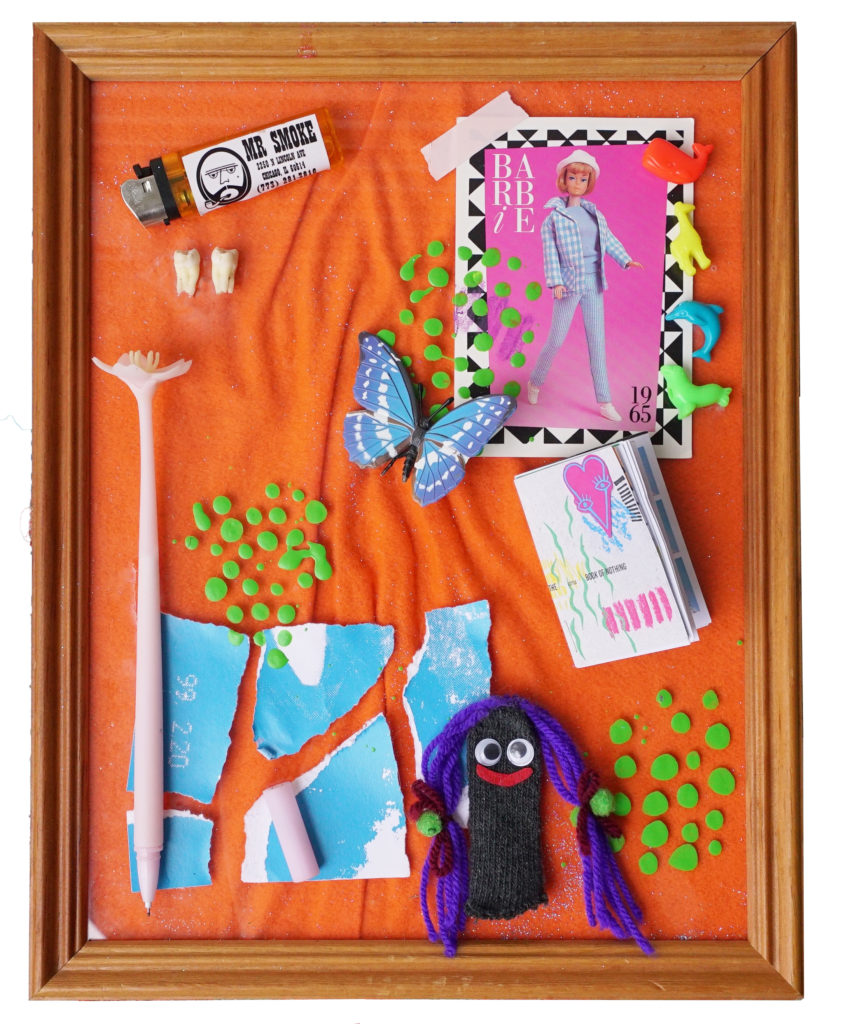
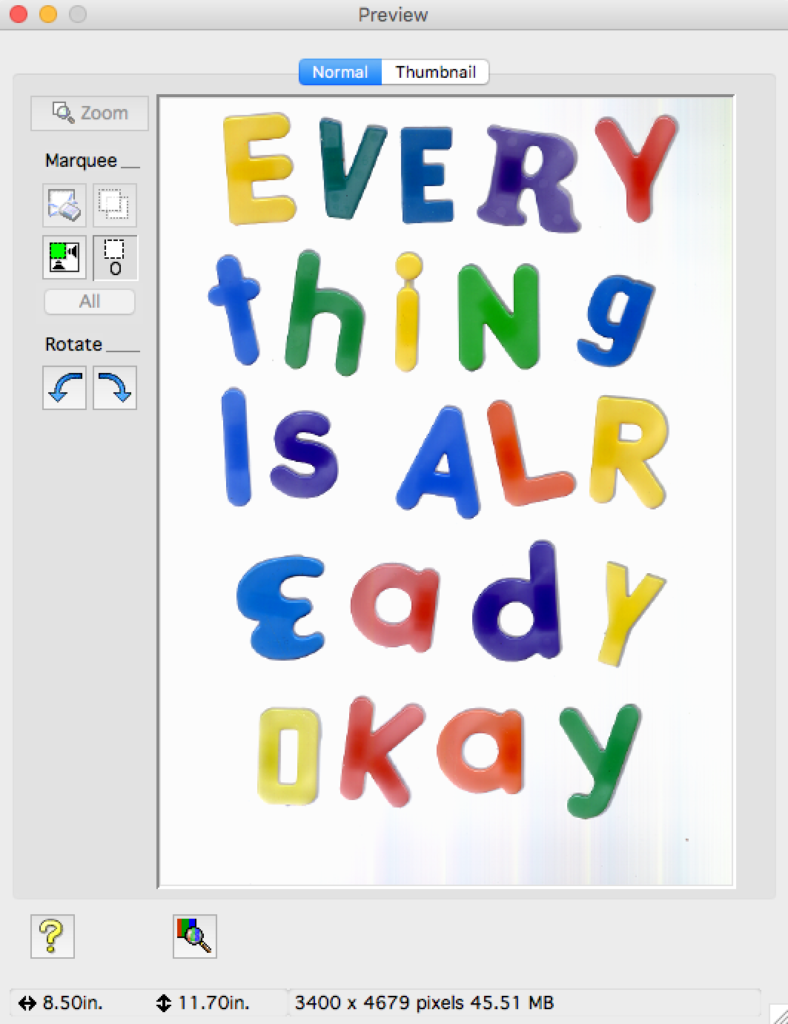
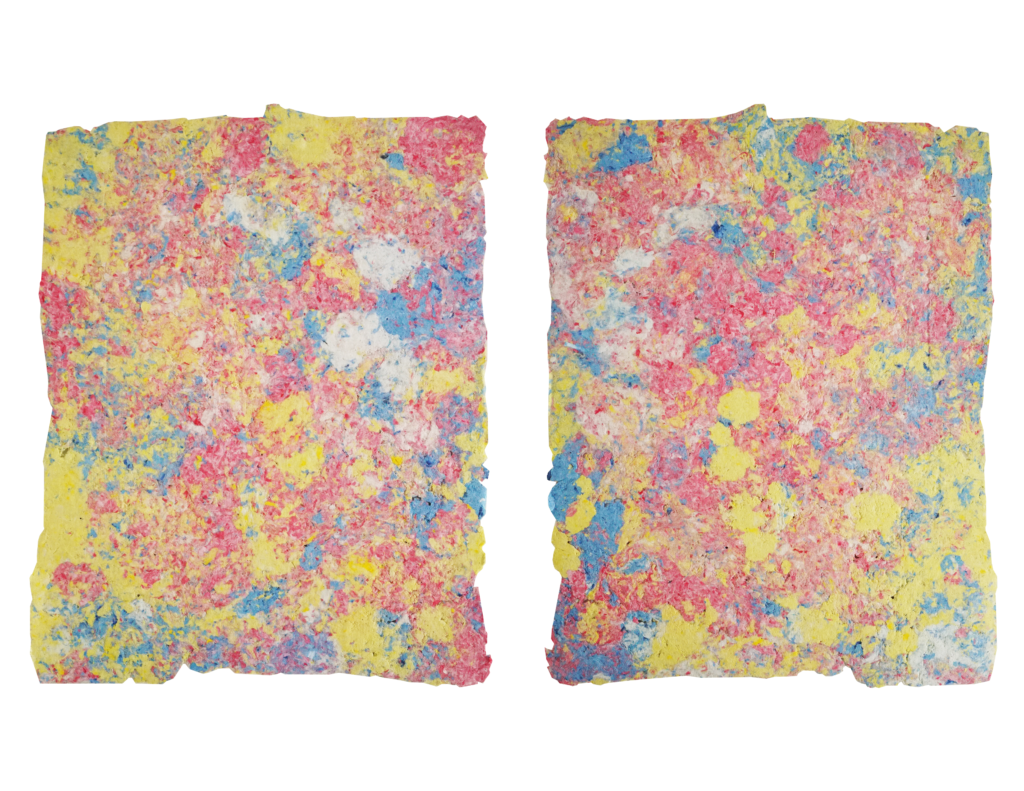
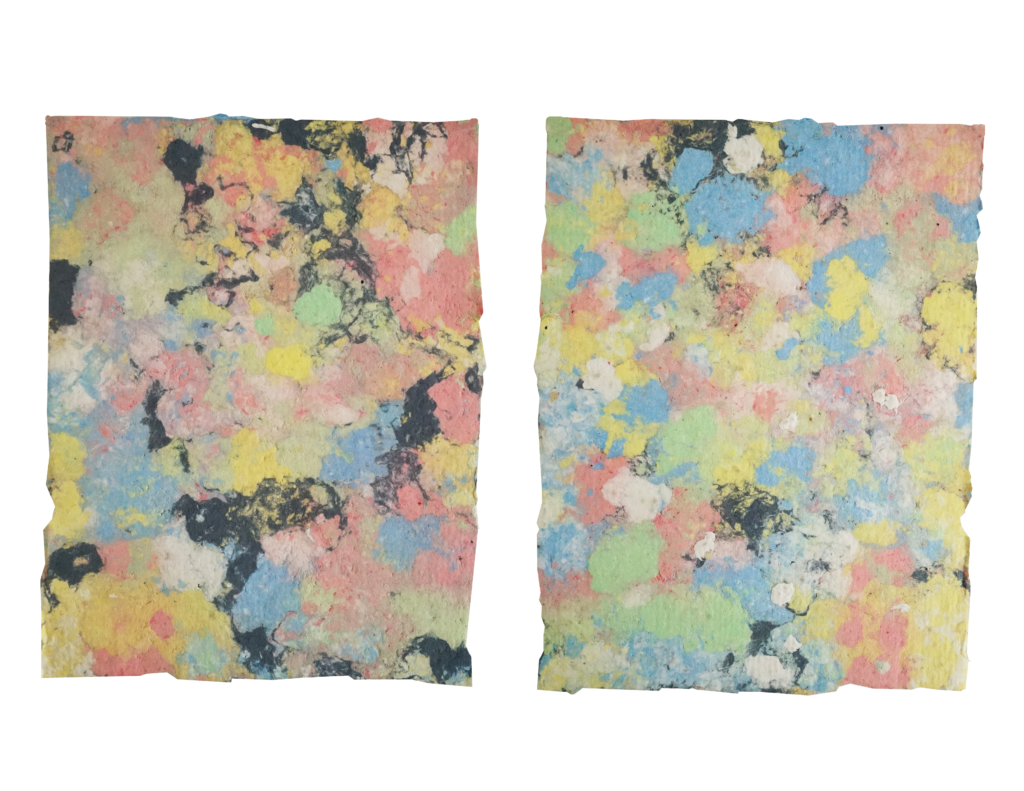
For my BFA page, I want it to encompass a variety of works I’ve made over this past year. I plan on using all images within the 10 image limit but each image will be its own piece and not part of a series – unless otherwise specified – I’m still working out the kinks. Here are the images I have so far that I am set on submitting:

“Untitled”

“Little Motto”

“Untitled”

“Untitled”

I also want to submit this book I made:

I want to be able to have it displayed the way it is shown on issuu.com or liek this video documentation I have of it but am unsure how to go about it… maybe just upload the video?

Here’s the link: https://vimeo.com/401139041

I don’t know what my representative image will be just yet. But am thinking about it.

Also here’s my social media:

Instagram: @big.smiley.face

Issuu: @EmmaSielaff

Project Update

Originally I had planned to do a huge room installation for the giant book I’ve been making. I’m going to continue making the book but I’m thinking about how / if I will present it as my project. It’s been something that I’ve worked a long time on so I want to present it in the vision I had, which may mean postponing it until I can.

But I’ve been making loads of other work while at home. I’m not sure what they’ll all be yet but I’ve just been making loads of different collages + multimedia pieces.

I’m still unsure what I’ll present as my project, but I know it will be from something that I’ve been working on whether it’s the book or the newer pieces I’m making.

If the shows going to be online, I just want to make sure what I present if fully able to be represented through that platform.

I’ll probably have a more solid idea in the coming weeks, it’s all a matter of what I’m making now and how it all turns out + means.

AI / Predictive Analytics / Recommendation Algorithms Response

Something is Wrong on The Internet:

… this was really weird to read …

The article delves into the weird world of kid youtube. It’s a weird niche place. It’s filled with crazy nursery rhymes, and quite frankly, loads of videos that make absolutely no fucking sense. Finger Family? What the hell is that even about? (AND why do they call the pinky finger baby finger? Is that a thing?) This sort of automated random and totally nonsense generated content is actually watched by kids. If you look at the videos, they aren’t harmful, per se, in what they are showing (somewhat) but it’s the weirdness + randomness of how it’s shown. Over time, these videos are kind of creepy. And if you’re a young child spending hours absorbing this weird content, then it becomes a form of abuse.

I didn’t even know there was a whole “kid” youtube sector. I think back to when I was young and watching youtube videos. I remember watching Charlie the Unicorn, which is just a weird and disturbing tale, yet was so funny at the time, but again I was probably 8 or 9 when watching it not like 2 or 3. Youtube is a weird hole, but the youtube holes I used to go down where never this weird…

Inadvertent Algorithmic Cruelty

We all get those “You’re Year in Review” pop-ups from Facebook when the time comes. For some they are great, but for others who had a rough year, not so much. In this case, someone’s daughter died and Facebook highlighted it as a “Year in Review” video. It’s definitely wrong but it is also algorithmically generated, so Facebook doesn’t even know what it’s doing. They pose some solutions to the issue, one by having an opt-out of this, but even at that I still think Facebook will find some way to remind you of some sort of deep memory. That’s what it’s built to do…

How TikTok Holds Our Attention:

TikTok is the new vine!!! But way more widespread, in my opinion, and it hopefully won’t die out as vine did. I personally don’t have TikTok, but my roommate does and they spend HOURS sitting in bed indulging in every random video they come across. I can’t lie, I often sit and watch TikTok with them, but oh man what a hole it is.

People love TikTok because its “unusually fun”, as the article stated. It’s easy to get sucked into and we love the nonsense that people are making. Like why do I need to watch 30+ videos of different people doing the same dance to Say So by Doja Cat and then, in turn, why do I feel the need to learn the dance myself?

We crave easy entertainment, and when you can endless scroll content that is satisfying to watch, then we continue serving that crave.

Getting Approved By AI:

The fact that a computer, algorithm or a system should decide if I’m worthy of a job is ridiculous. The tedious process of having an employer pick who their employees should be is a very personal process, but allowing technology to decide for you takes the personality out of not only the employee + the employer but the whole system and workspace itself.

How can this affect the workspace? How does this pose as a barrier for the employer + employee relationship?

What if I’m perfect for the job but the AI just can’t see that?

The Problem with Metrics is a Big Problem for AI:

the first thing I thought about when reading this is, what about students with learning disabilities? I feel fortunate enough to be an art student, I’m not constantly taking tests or doing loads of assignments that could be graded by a machine, or well I’d hope that the work I’m doing isn’t graded by a machine…

Also, why would professors want to use automated essay software to grade their student’s work? Wouldn’t that take the personality out of a student + professor relationship, if the professor isn’t even reading what a student writes?

Ben, are you reading this? Or is a machine grading me right now?

Technology and Race Response

Laboring Infrastructure:

VR can be a tool for empathy. It allows us to step into the shoes of someone’s experience. This allows us to see from the perspective of the lives of many minorities, like refugees or people with disabilities. With this advantage, we can then start to deeper understand how people live, instead of always seeing just through our lenses.

She explains this concept as “experiencing the non-human through virtual re-embodiment.” Which speaks heavily to her point of “body transfer” and how VR lets us feel and be in the perspective of another person.

Reading Response: Social Interaction, Social Photography, and Social Media Metrics

What Can’t We Measure….

Her talk highly focusses on all the ways we are monitoring ourselves today. We’re addicted to measuring ourselves, whether it be through likes, followers, and in her case, through things like the fit bit, which literally measure our activity, we love it all and we eat it up like cake. We’ve now even invented technologies that allow us to measure babies, so from the minute their born we begin to measure their movements as well. This form and addiction of measuring is a version of tracking, a somewhat more personal form of tracking. She explains this as the concept of dataism. But although we can track so many things about us, how accurate are these measurements? What are they ACTUALLY measuring in an experience? She compares these questions to an app that measures sex, the app if designed to monitor motion and sound during sex, what it does not measure about sex is foreplay, caresses and other sexual movement. These apps, although, we’re addicted to what they measure are only a small bias of the experience.

When thinking about this, I was drawn to why? What is the point of measuring all these things? How tangible is the information we are measuring? Why do we feel the need to quantify ourselves?

What are the ways in which we measure ourselves and how does that change the way we see ourselves?

What Do Metrics Want?

As we know, we’re constantly measuring ourselves. We’re actively monitoring how many likes, followers, subscribers, and so on. This plays heavily on our need and desire for “more.” This growing desires ties closely in relation to the capitalist society we live in, growth in numbers helps capitalist survive, and in the individual sense we see more as a good thing. When we think of this in terms of social media, especially Facebook, we’re actively comparing our metrics of followers or likes to other people, as we do this comparison we set certain standards for ourselves. The more our numbers rise means the more our desires are met.

I can think back to a time where I was obsessed with Facebook. I was constantly adding people to be my friends because I wanted to show people around me that I was “cool” enough to know so many people, whereas it really boiled down to the fact that I was friending anyone I remotely knew. This is where my measuring self-worth began, the higher my numbers, the cooler I felt.

How do these habits of evaluating the self by social media metrics affect us? Our perceptions of the world? What is the consequence?

The Social Photo…

With the huge emergence of social media, we’re addicted to show our everyday with everyone, while they are all simultaneously doing the same thing. As states in the article, “cameras changed how we saw the world and thus changed the vision itself.” As we literally have a camera in our pockets with us every day, it changes how not only we react with photography but also how we react to the world. There’s the new saying that “food eats first” which plays on the idea that people feel the need to take photos and share what their eating even before they’ve begun to dig in. Why do we feel the need to share these types of things? And why is it so common? It’s a form of communication and also a form of sharing to compare. I wouldn’t feel such a need to share some aspects of my life but other people do, so I feel the need to do so as well to compare myself to that person.

I can look back on my phone camera roll and there are loads of invaluable photos, that if I had taken them before smart phones or social media, I’d question why I’d taken that picture. It’s a common experience we all share and thus then want to show one another, or hold onto the memory.

If we didn’t have social media, like Instagram, that enabled our need to share, would we be so inclined to share? What is the importance of the un-importance of a photo?

Interface Criticism / Tactical Media / Software Art Response

Sad By Design:

In the podcast, they talk about how social medias are made and influence us. The main point is that social media has now become vital to how we socially interact with one another. Dumbed down, basically we can’t function as social beings without it. Although, we are highly dependent on social media not only because it’s addictiveness is innate in us, that we don’t even think twice about it but also because how the apps are designed. They are specifically made to target, appeal and be addicting to us. We literally cannot put our phones down.

The counter point to thinking about this is not to change the way the apps are made but to change the way we interact with the app. Most of what draws us to social media is the want to be involved, to have knowledge and to stay connected. As depressing as it sounds, it almost impossible to just say fuck it and ditch your smart phone. But instead we need to reacquaint ourselves with humanity and how we deal with social interactions face to face, no technology involved.

This is super important to delve into. To change how social media runs our lives, we need to step back to the basics to how we run as a society. I’ve been taking an institutional critique class, where we spoke about institutional racism in a similar context. To sum up, how do we take a step back if it’s so ingrained with who we are and how we function? What would it look like in this year? I understand we had a time when technology wasn’t as it is, but how can we be current without it?

Programmed Visions:

New Media is an art form or a study that is all based around software. In this current day, we’re so attracted to the internet. We’re constantly searching it and adding to it. Through software, we are able to get new knowledge and information that let us navigate and add to our experience as a society. But there is so much data and information being collected out there that there is no way to ever get to the bottom of it. We don’t even know what information our phones or computers are retaining for us. As we add to software, software also excels from itself, it’s an entrance to the unknown, which also makes it a paradox.

Thinking how this relates to new media, is new media a search into the black hole of the unknown?

How To Be a Geek:

Being a geek is highly related to technology and a sort of obsession within the world created with technology. This article looks at how we, as geeks, are starting to create a language about software. As we know, software is a vast unknown explored area, and as geeks, we’re constantly trying to gain all the information we can about a subject. But when it comes to software, it’s nearly impossible to know everything you can with it. Can you imagine knowing everything on the internet?

Geeks themselves as well have always been looked down upon, I remember the computer geek as a big persona when I was a kid, especially because my brother was one. There are things like geek squad, which is literally a company made to help you with your technologies. But now as software and technology are all around us, it’s time to real claim geeks as a positive thing. Heck yes knowledge.

New Ways of Hiding:

We all know that our devices are actively watching and tracking us. Till last week, I really didn’t know to what degree we’re actually being watched, which is literally our every move. The meta-interface of our technologies is where we are being watched and all of our data being stored. It’s what knows us and draws us back to it. It’s plainly like we are being monitored in ways that we can’t even think of, and we give into it. I choose to use my phone and social media every day, and I’m quite honestly unconsciously addicted to it.

Meta-interfaces are everywhere and in every smart technology that we use. How can we escape if we’re being watched?

But in a sense that we’re all being watched, how likely is it that I am actually being watched, like whose is looking at my stuff? What importance is it?

BFA Show Plan

For the BFA show, I’m doing a book installation.

Over the course of last semester and this semester, I’ve been making large scale paper sheets at the Fresh Press studio. Each sheet is 18 x 24 inches and is made from recycled cotton – bedsheets, loads of my old work – basically the paper is made from all recycled / sustainable material. My plan is to bind each sheet and create a large scale collage book.

The installation part has to do with the environment in which I present the book. Along with my giant paper sheet making, I’ve also been experimenting and making paper “paper paintings” by using different colored pulp to create images. I’ve been painting on a lot of my old ‘gone wrong’ photographs to create mini 4 x 6-inch textured colored paintings. Together I wanted to great a mobile effect over the book. Ideally, it’d be the book on a pedestal in the of the installation. The painted photographs + paper images would create a circle around it, thus you have to walk into the environment and be immersed into my brainchild to “read” the book.

I’ve also been making loads of other, smaller imaged based zines, and depending on space of pedestal I’d like to display a few as well.

Kind of like creating a little reading nook world for reading zines + hand made books.

Claudia, Jenny, Natalie + Emma

Tinder:

Tinder constantly tracks your data and updates it dependent on your location, but you can’t actively change your own location. It does it for you.

Along with it tracking your location, you can link it to other social media platforms, like Instagram, Facebook, and Spotify. Also, any type of information you put on there is known like age, weight, height or your bio.

A way to obfuscate Tinder is just to make a fake Tinder logistics – like 2 truths and a lie.

Reading Responses: Surveillance / Privacy / Resistance

NY Times – One Nation, Tracked:

We all know we’re all being tracked, even if we try to deny it or just shove it to the back of our minds, it’s happening and they are watching us. This article is all about that, and basically we’ve all consented to be tracked as well, which is the really messed up part.

Two researchers, we’re able to gain access to tracking data from an unspecified company. The article then shows and uncovers various patterns and graphics of people’s location in an area based on tracking from their smartphones. Again, surprise surprise, we’re being tracked and it wasn’t so hard to get the information of hundreds or thousands of people’s everyday movements. But I guess what really shocked me about this is how easy and accessible it is to get people’s tracking information. Yes, of course, the researchers who wrote the article had to put a lot of effort into getting it, but still, in a sense, it was easily accessible. The piece was gripping for me because although I know I’m being tracked, I’ve never known by who and to think that it’s smaller businesses makes me think, of what importance is my location to them? I’m no one in a high-power position or for that matter just one of the millions of people of un-interest to a larger audience. And yet I sit back and think about why these companies are tracking me, while I can pull up my phone and look at an app – Find My… – and actively see the multitude of friends I track.

This then made me think about these questions: How can I stop being tracked? Is it possible?

I feel as though as a society we give up our privacy for the luxury of our smartphones…

Cyborgology – A Clear Case for Resisting Student Tracking:

            This article is all about SpotterEDU which is an app created for universities to track their students, by means of attendance. Although, the app is only made to track attendance to classes there are very obvious downfalls to tracking students. It’ll show disparities in who’s doing what work and for how long, which creates unrealistic standards that students would have to be held accountable to. Students are not the only ones who could be tracked but faculty would be held accountable for tracking as well… again still creating unrealistic standards of how to manage time…

            It’s kind of shocking to think that a university could have access to a student location, yet not even student but everyone who is an active participant in a university system. We all know we’re being tracked but I’d honestly never suspect my university was watching me THAT closely…

Washington Post – College are Turning Phones into Surveillance Machines:

Re: The Cyborgology website, this article also focusses on SpotterEDU and explores its advantages and disadvantages through multiple viewpoints and personal perspectives. Again, universities are tracking their students as they feel it’d be a benefit to overall student academic habits but what the real use of tracking students?

            Immediately looking at this piece, I resonate with the argument of not tracking students because infantilizes students when being in college is our freedom to grow. I relate to this because my father is constantly tracking my whereabouts on an app called Life360. For me, it doesn’t really matter, 1. I know he’s not actively watching me every day and 2. Even if he was, he’s 3 hours away and the places I go have no significance to him. But it the principle of things, why does he feel the need to track me in the first place? Safety? If safety was the answer, what good does it do anyway? He’s not here.

            Taking a step back, I think tracking is all about control. That’s the whole point of this SpottedEDU app is so professors can have the control to see who’s coming to their class and not and thus execute repercussions for those who don’t.

But in the end, I think, who cares about all this control? If they don’t come to your class, the student is the one suffering and losing the money, not the teacher…

I also am thinking about the flaws within this system. It’s highly based that students are going to lectures and libraries as their main basis of being a student, but especially on the UIUC campus there are thousands of students all in different majors all doing different things. As an art student, I don’t need to go to the library to study, so how does tracking that sort of activity affect me? Or even benefit the so-called beneficial data collection for the university?

My real questions about this article is: why do universities feel it’s important to have these tracking systems put in place? What is the real benefit? Why is it so important to know and to micromanage student movement? But answering these questions beyond just thinking that it can boost the universities’ academic status, what is the real root for the need for this system? – the best example I found of this in the text was said by Erin Glass: “Why are we creating institutions where students don’t want to show up?”

Guardian – Steve Bannon:

            Cambridge Analytica is a company that has used certain Facebook user data sets to manipulate or to suede opinion in political movements like the US election. The article focusses on a spotlight of Christopher Wylie who is now 28, but has been successful in heavily developing the data and at such a young age working with many high ups in position to do the work done by Cambridge Analytica. There are lots of legal issues going on with this data collection. They basically had millions of Facebook user’s personal data in order to find trends and make connections between people’s personalities to see who they would vote for. For me, this is again another example of a breach of privacy, Facebook + other companies say our data is safe, but here it is, once again, being easily accessed by big companies and used to manipulate an outcome.

            I knew Facebook was bad… but this makes me question how easily my information is accessible to everyone…

Surveillance Capitalism:

They are watching us. My biggest take away from this video was that the information we give sites or just put on the internet is the least important information we give. They look at the trends, moods, location or clues in what we put out in order to target our needs without even knowing we have the need. Just like the example with the pregnant lady, how the internet knew she was pregnant before she did just because she changed to a less scented shampoo. I’ve never looked at the scope of how my activity, and not the personal information I give, is more important. Again, they are watching us but I never knew to this scope. It’s kind of like when you say you need something and then about two minutes later there is an ad related to whatever you said. It knew before you did, and that’s a scary broader concept to think about.

Slight tangent: but kind of like the Matrix? How all the robots evolved to know more than us and then harvested humans to sustain their robots habits a.k.a creating the Matrix. If our technology is so advanced that it can predict our needs before we do, is this a look into a possibility of having the reality of the Matrix?

            But back to the video, Shoshana Zuboff speaks entirely of surveillance capitalism how we engage with it, how it engages with us and what all this has to do for our future (THE MATRIX ???). In a general sense, she explains that surveillance capitalism boils down to IT and data companies using people’s data to target and surveillance them. In most cases, people aren’t even aware how their data is being used and what will happen to the information we put out there.

            This video and the way I’ve reacted to it is also a call for action. Knowing what we know about how our information and personal data is being used, it’s time to wake up. And, for me, I’m thinking about how we need to create action so extremes like the Matrix don’t happen.

Mapping Interventions:

            Helen Nissenbaum speaks on the creation and use of TrackMeNot. It’s created to send fake queries to web browsers as to oppose the data tracking of an individual based on the information they put on the web. TrackMeNot is all based on obfuscation, which is meant to create misleading data to diminish data aggregations.

            This was the last source I looked at out of all the content and with the overwhelming information I’ve taken in about how we are being tracked, thinking of obfuscation or escaping tracking is something that has really pressed my thoughts. Thinking on Adblocking and securing private data, I think about why these things needed to be created in the first place. To relate back to one of the previous sources about tracking students, why is it that people find our useless internet data so important? Yes, I understand it contribution to our capitalist society, but I’m thinking of why in a broader sense…

After Thought:

After looking at all this content an overall general thought I had was just, how much does government, companies or just data people know about me? I’ve thought about how everything I put on the internet is forever and that my information is probably stored somewhere, but I never knew it was to this degree.

I literally changed my banking password last night to prevent people from hijacking my information…